Home Building Insights to San Diego Home Builder
House Renovation Made Straightforward: A Comprehensive Tutorial for Property Owners
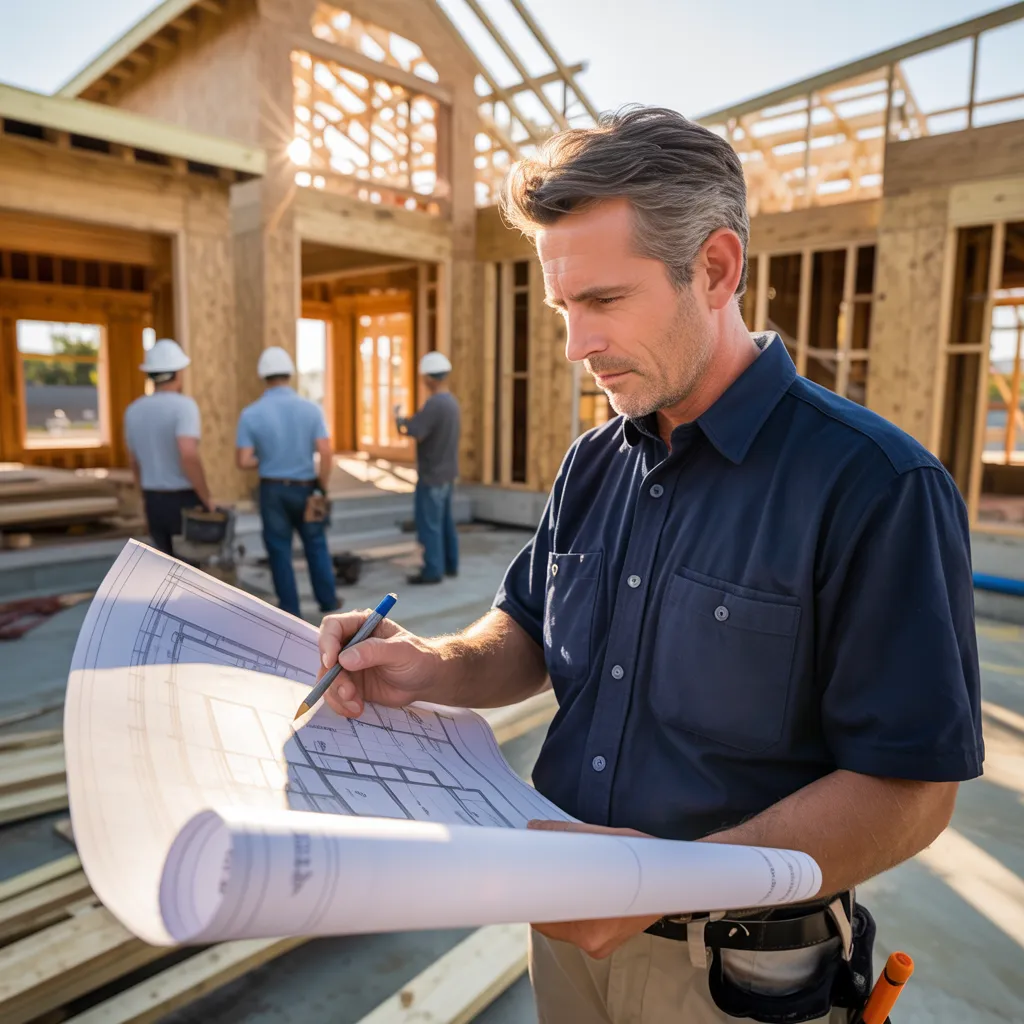
Home renovation can be a intimidating task for many homeowners. Understanding one's requirements and establishing practical goals is essential. An organized approach can make the process easier and more streamlined. This guide offers helpful insights into budgeting, design, and choosing the right supplies. Property owners may find themselves contemplating the best strategies for navigating these obstacles. What essential steps should they consider to ensure a successful transformation of their homes?
Examining What You Require and Goals
When assessing their objectives and aspirations for home renovation, homeowners often question where to start. The initial phase involves a thorough assessment of their current living situation and intended results. Homeowners should consider specific areas that require improvement, such as aging kitchen spaces, insufficient storage, or cramped living areas. Identifying these problems can help rank projects based on urgency and necessity.
Also, property owners should contemplate their long-term goals. Are they hoping to enhance comfort, increase property value, or create a more useful space for family time? Comprehending these objectives will inform the remodeling process and guarantee that the final outcome meets their perspective.
Moreover, gathering feedback from family members can be valuable, as diverse viewpoints may discover extra needs or wants. By dedicating effort to evaluate their requirements and objectives, homeowners can establish a solid base for a thriving renovation experience.
Creating a Reasonable Budget
Developing a feasible budget is crucial for a accomplished remodeling project. Homeowners should initiate by projecting project costs, considering materials, labor, and visual features. Additionally, allocating contingency funds can support handle unexpected expenses that may arise during the remodeling process.
Evaluate Undertaking Expenses
defined projection, property owners can establish a realistic budget that aligns with their financial capabilities and renovation objectives, eventually resulting in a smoother remodeling experience.
Reserve backup financial resources for unforeseen expenses
Estimating construction expenses lays the groundwork for effective budgeting, but homeowners must also consider unforeseen costs that may occur during a renovation undertaking. A common recommendation is to set aside a contingency fund, usually spanning from 10% to 20% of the total budget. This assignment functions as a monetary cushion, allowing property owners to handle unexpected problems such as structural repairs or material price increases without derailing the entire project. By planning for these potential costs in advance, homeowners can exercise better management over their finances and decrease anxiety throughout the renovation timeline. Ultimately, a carefully planned budget that contains reserve allocations enhances the probability of a successful and satisfying renovation experience.
Creating Your Environment
How can inhabitants effectively design their locale to reflect their personal style while maximizing functionality? To reach this aim, they should start off by evaluating their specifications and living patterns. Comprehending how each room will be engaged guides the overall layout and flow. Homeowners might think about forming regions for diverse functions, ensuring that high-traffic areas remain free and available.
Adding elements that demonstrate personal taste, such as color arrangements, furniture styles, and decorative accents, provides a unique expression without diminishing practicality. Additionally, incorporating multifunctional furniture can enhance functional capacity, especially in confined areas.
Natural light plays another essential factor; expanding windows or strategically placing mirrors can build a more appealing setting. Finally, property owners ought to evaluate scale and sizing, guaranteeing that furnishings align with the space's dimensions while sustaining an neat aesthetic. By way of combining careful design with aesthetic appeal, property owners can create a balanced home environment personalized for their likes.

Choosing Products and Surface Treatments
While choosing materials and finishes, property owners should emphasize both aesthetic appeal and longevity to ensure their choices endure the test of time. The choosing process starts with comprehending the intended style of the space, as different substances can create distinct atmospheres. For instance, wood can create warmth, while sleek metals may impart a modern edge.
Home buyers start here should also reflect on the maintenance requirements of each product. Some treatments may demand more upkeep than others, determining long-term fulfillment. Additionally, budget constraints are crucial; going with high-quality yet cost-effective options can provide lasting value.
Sustainability is becoming increasingly important, prompting many to choose environmentally conscious materials that minimize environmental impact. Finally, homeowners should collect samples to picture how chosen materials will work with lighting and existing elements in the space. This hands-on approach aids in making well-considered choices that align with both personal style and practical needs.
Appointing the Ideal Professionals
Hiring contractors for home renovation requires homeowners to thoroughly evaluate their qualifications and experience to guarantee quality workmanship. Comparing cost estimates from different contractors can assist in making informed financial decisions. These essential steps are important in locating appropriate skills for a successful remodeling undertaking.
Evaluating Qualifications and Expertise
Recruiting the right professionals for a home remodeling project demands careful consideration of their qualifications and experience. Property owners should begin by confirming credentials, ensuring that contractors have the necessary permits and certifications relevant to the project. Additionally, examining a collection of previous work can offer understanding into a professional's style and level of craftsmanship. It is also advantageous to request testimonials from previous clients to assess satisfaction and reliability. Experience in specific types of renovation, such as kitchen or bathroom renovations, can be essential; specialists often have the refined abilities needed for complex tasks. Ultimately, a thorough evaluation of qualifications and expertise will help property owners choose professionals who can successfully execute their plan while adhering to professional standards.
Analyzing Price Quotations With Precision
Assessing price quotes is a critical component of the contractor selection for residential remodeling initiatives. Homeowners ought to obtain estimates from multiple contractors to confirm a thorough comparison. Each proposal should specify labor, materials, and any additional charges, facilitating an accurate head-to-head review. It is important to examine both the overall cost and the scope of services contained within each proposal. Homeowners should be cautious of substantially reduced quotes, as they could signal poor quality or undisclosed fees. Having conversations with contractors regarding their proposals can supply information about their methodology and transparency. In the end, selecting a contractor should reconcile price and the merit of quality workmanship, supporting a rewarding remodeling outcome.
Exploring the Redesign Schedule
Although the renovation process can seem challenging, homeowners can navigate it well by following several essential steps. At the outset, they should establish a focused vision of their work, outlining intended outcomes and specific features. Next, setting up a realistic budget is essential, taking into account materials, labor, and unpredictable expenses. Looking into and engaging reputable contractors can make a significant difference; homeowners should seek recommendations and look at reviews before deciding.
Once a contractor is assigned, effective communication is essential. Homeowners should talk about timelines, project scope, and any concerns upfront to avoid misunderstandings. During the remodeling phase, regular check-ins with the contractor will help guarantee that the project stays on track and adheres to the agreed-upon plan. Finally, being flexible with modifications, whether due to unexpected issues or new ideas, can improve the overall experience, leading to a successful and satisfying remodeling outcome.
Frequently Asked Information
What Duration Can You Foresee for a Standard Home Renovation Project?
A typical home renovation project normally requires anywhere from a few weeks to several months, contingent on the breadth of work, dimensions of the home, and any unpredictable difficulties that may develop during the completion.
What Permits Do You Need for Home Remodeling?
Upgrading your home typically requires multiple permits, like building, electrical, plumbing, and zoning permits. The specific requirements are determined by local codes and the project's scope, confirming compliance with safety and construction standards during renovations.
How Can I Keep Interruptions to a Minimum During Renovation?
To limit disruptions during renovation, one should set up a well-defined timeline, confer with builders, create specific work areas, and alert residents about timelines. This coordination assists keep normal patterns and lowers strain throughout the project.
What Measures Ought to I Implement if I Go Over My Spending Plan?
If a budget is surpassed, he should evaluate the causes, focus on essential modifications, and examine cost reduction opportunities. Clear dialogue with contractors and exploring different material options can also help adjust spending with project goals.
How Do I Verify Superior Workmanship?
To ensure excellent workmanship, one must research and hire reputable contractors, check references, review past projects, and create clear communication about expectations, timelines, and materials. Regularly checking progress further helps keep high standards throughout the project.